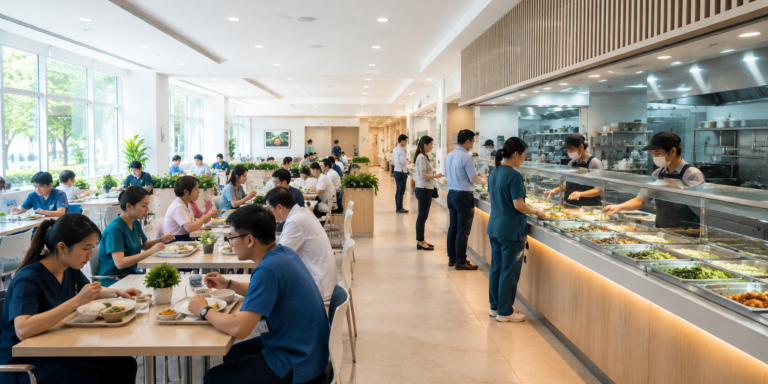
Food plays an important role in the hospital environment, particularly for patients whose nutritional needs may change because of illness, medical procedures, medications, or recovery requirements. For these patients, a standard hospital meal may not be appropriate. Instead, meals may need to be modified according to specific dietary and clinical requirements.
These specialized meals are commonly referred to as therapeutic diets or, in some healthcare settings, RX meals. They are planned and prepared according to prescribed nutritional requirements and are typically coordinated with physicians, registered dietitians, nutritionists, nursing teams, and hospital food service personnel.
For hospitals in the Philippines, maintaining a reliable therapeutic meal program requires more than simply preparing different menus. It involves accurate meal specifications, ingredient control, portion management, food safety, production consistency, and dependable delivery to patients.
What This Guide Covers
- What therapeutic hospital diets are
- What RX meals mean in a hospital food service setting
- Why specialized patient meals matter
- Common types of therapeutic diets
- How hospitals manage therapeutic meal programs
- What to consider when selecting an RX meal provider
What Are Therapeutic Diets in Hospitals?
A therapeutic diet is a meal plan modified to support a patient’s specific medical or nutritional requirements. Depending on the patient’s condition, modifications may involve the amount or type of carbohydrates, sodium, fat, protein, fiber, fluids, or other dietary components. Food texture may also be modified when a patient has difficulty chewing or swallowing.
Unlike general meal programs, therapeutic diets require greater coordination between clinical and food service teams. The meal served to a patient must correspond with the appropriate dietary order and preparation requirements.
The goal is not simply to make a meal healthier. It is to provide food that is appropriate for the patient’s individual nutritional requirements while maintaining acceptable taste, appearance, portion size, and food safety.
What Are RX Meals?
In hospital food service, RX meals generally refers to meals prepared according to a patient’s prescribed or ordered dietary requirements. The term “RX” is commonly associated with a medical prescription, although the exact terminology and workflow may differ between healthcare facilities.
An RX meal program may involve coordination between the attending physician, dietitian or nutrition professional, nursing staff, and food service team. The patient’s dietary requirements are translated into a meal plan that the kitchen can consistently produce and deliver.
A Typical RX Meal Workflow
- Dietary requirement is identified based on the patient’s clinical needs and hospital dietary protocols.
- Dietary information is communicated to the appropriate nutrition and food service teams.
- Menu and meal specifications are reviewed according to the required diet.
- Ingredients and portions are controlled during food preparation.
- Meals undergo quality and safety checks before distribution.
- The correct meal is delivered to the appropriate patient and meal period.
This process requires accuracy because a meal prepared for one dietary requirement may not be suitable for another patient. Effective communication and identification systems are therefore essential components of a well-managed hospital meal program.
Why Patient Nutrition Matters During Hospitalization
Hospitalization can affect a patient’s appetite, food intake, nutritional requirements, and ability to consume regular meals. Some patients may require dietary modifications because of their medical condition, while others may need meals with specific textures, nutrient profiles, or portion requirements. The World Health Organization (WHO) recognizes nutrition as an important component of health and well-being. Within healthcare settings, appropriate nutrition care forms part of the broader effort to address patients’ nutritional needs.
For hospitals, this means that food service should be treated as an operational function closely connected to patient care rather than simply as a conventional catering activity.
Common Types of Therapeutic Hospital Meals
Therapeutic diets vary according to patient requirements and the protocols established by each healthcare facility. The following are examples of dietary modifications that may be incorporated into hospital meal programs under appropriate clinical guidance.
| Diet Type | Typical Consideration |
|---|---|
| Diabetic / Carbohydrate-Controlled | Meals may be planned with controlled carbohydrate portions and balanced nutritional composition according to the patient’s dietary requirements. |
| Low-Sodium | Meals are prepared with controlled sodium intake when required by the patient’s prescribed diet. |
| Renal | Dietary components may be adjusted according to the patient’s renal and nutritional requirements. |
| Cardiac | Meal composition may be modified to support dietary requirements associated with cardiovascular conditions. |
| Soft / Modified Texture | Food texture may be adjusted for patients who have difficulty chewing or swallowing, according to clinical recommendations. |
| High-Protein | Meals may be designed with increased protein content when appropriate for the patient’s nutritional requirements. |
The exact composition of any therapeutic diet should be determined according to the patient’s individual clinical needs and the hospital’s established nutrition protocols. Food service teams should not independently prescribe or modify therapeutic diets.
How Hospitals Manage Therapeutic Meal Programs
Managing therapeutic meals at scale presents operational challenges that are different from conventional catering. A hospital may need to produce multiple meal variations during the same breakfast, lunch, or dinner service while ensuring that every meal corresponds to the correct dietary requirement.
A structured hospital food service operation typically relies on standardized recipes, production procedures, ingredient controls, meal identification systems, quality checks, and communication between clinical and food service teams.
Key Operational Requirements
- Accurate dietary order communication
- Standardized recipes and preparation procedures
- Controlled ingredients and portions
- Clear meal identification and labeling
- Food safety and sanitation procedures
- Temperature monitoring
- Quality inspection before dispatch
- Reliable meal distribution and delivery
- Coordination with nutrition and clinical teams
Food Safety Is Critical for RX Meal Programs
Therapeutic meal preparation must be supported by strong food safety practices. Hospitals serve patients who may have increased vulnerability to foodborne illness, making proper food handling and sanitation especially important.
Food safety controls should cover the entire process, from ingredient receiving and storage through preparation, cooking, portioning, packaging, transportation, and final service. The Codex Alimentarius
provides internationally recognized food safety guidance and standards that can help organizations establish appropriate food safety practices.
For hospital food service operations, food safety should therefore be integrated into everyday production rather than treated as a separate administrative requirement.
What Should Hospitals Look for in an RX Meal Provider?
Hospitals considering an external food service partner should evaluate more than the provider’s ability to cook and deliver meals. Therapeutic meal programs require operational discipline, consistency, and the ability to work within a healthcare environment.
| Evaluation Area | What Hospitals Should Assess |
|---|---|
| Healthcare Experience | Experience supporting healthcare or other highly regulated institutional environments. |
| Dietary Capability | Ability to produce meals according to different dietary specifications and established hospital protocols. |
| Food Safety | Documented sanitation, food handling, temperature control, and quality assurance procedures. |
| Production Capacity | Ability to consistently produce required meal volumes without compromising quality. |
| Meal Identification | Reliable systems for identifying and distributing meals according to patient dietary requirements. |
| Delivery Reliability | Consistent delivery schedules and appropriate handling throughout meal distribution. |
| Continuous Improvement | Processes for reviewing feedback, monitoring performance, and improving meal service. |
When Should Hospitals Consider Outsourcing Therapeutic Meal Production?
Some healthcare facilities operate their own kitchens and food service departments, while others partner with specialized institutional food service providers. The appropriate model depends on the hospital’s resources, infrastructure, staffing requirements, patient volume, and operational objectives.
Outsourcing may be considered when a hospital wants to improve production capacity, reduce the operational burden associated with meal preparation, access specialized culinary expertise, or establish a more scalable meal production system.
However, outsourcing should not mean giving up operational oversight. A successful partnership requires clear service standards, communication procedures, quality metrics, and collaboration between the hospital and its food service provider.
How ISLA Gourmet Foods Supports Institutional Meal Programs
ISLA Gourmet Foods Corporation provides professional food service solutions for organizations that require dependable meal production, food safety, and operational consistency. Our capabilities include packaged meal solutions, food supply, cafeteria management, and catering services.
For healthcare organizations evaluating patient meal and institutional dining solutions, a customized program can be developed around the facility’s operational requirements, meal volumes, dietary specifications, food safety procedures, and service workflows.
The objective is to provide a reliable food service operation that supports the hospital’s existing processes while maintaining consistent meal quality, safety, and service standards.
Building a Reliable Hospital Meal Program
Whether a healthcare facility is evaluating its existing patient meal program, expanding its food service operations, or considering an external food service partner, therapeutic meal production requires careful coordination between clinical requirements and food service operations.
A well-designed program combines appropriate dietary planning, standardized production, food safety controls, quality assurance, and reliable distribution to help hospitals provide meals that meet patients’ nutritional requirements and operational needs.
Talk to ISLA Gourmet Foods about your institutional food service requirements.
Frequently Asked Questions
What are therapeutic diets in hospitals?
Therapeutic diets are meal plans modified to meet a patient’s specific medical or nutritional requirements. Depending on the patient’s needs, modifications may involve nutrients such as carbohydrates, sodium, protein, fat, fiber, fluids, or food texture.
What does RX meal mean in a hospital?
RX meal generally refers to a meal prepared according to a patient’s prescribed or ordered dietary requirements. The meal is typically coordinated among the appropriate healthcare and food service teams based on the patient’s clinical needs.
What are common types of hospital therapeutic meals?
Common therapeutic meal categories may include diabetic or carbohydrate-controlled, low-sodium, renal, cardiac, soft or modified-texture, and high-protein diets. The appropriate diet depends on the patient’s individual clinical requirements and hospital protocols.
Can food service providers prepare RX meals for hospitals?
Yes. Specialized institutional food service providers can support hospitals with therapeutic and patient meal programs when they have the appropriate production capabilities, food safety systems, dietary processes, and coordination procedures required by the healthcare facility.
Who determines a patient’s therapeutic diet?
A patient’s dietary requirements should be determined by qualified healthcare professionals according to the patient’s medical and nutritional needs and the hospital’s established clinical protocols. Food service personnel are responsible for preparing and delivering meals according to the applicable dietary specifications.
Why is food safety especially important for hospital meals?
Hospitals serve patients with different medical conditions and levels of vulnerability. Strong food safety practices help reduce the risk of foodborne illness and maintain safe meal preparation, handling, storage, transportation, and service.
Can therapeutic meals be customized for individual hospital requirements?
Yes. Hospital meal programs can be structured around a facility’s dietary protocols, menu requirements, meal volumes, production processes, and patient service workflows. Customization should be coordinated with the hospital’s qualified clinical and nutrition teams.